
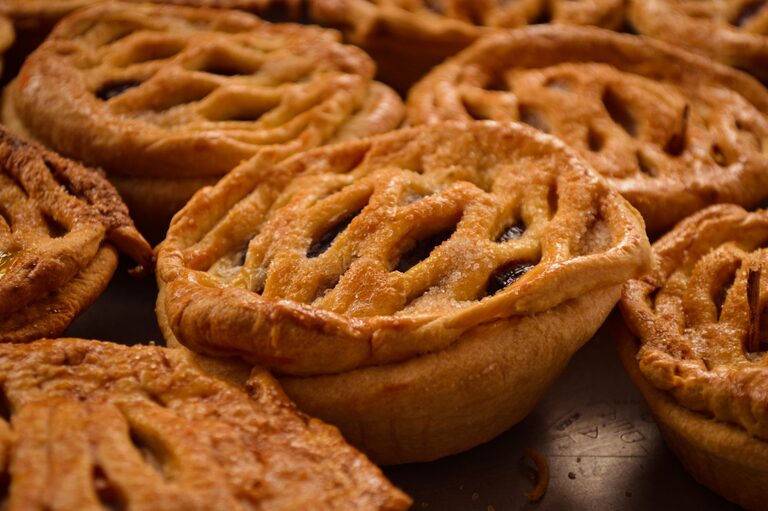
A slice of place and memory
Pie is more than a dessert. Across regions, it reflects local ingredients, seasonal habits, family customs, and practical ways of feeding a crowd. Some pies were created to preserve fruit, while others turned garden vegetables, meat, or pantry staples into satisfying meals.
You do not need special equipment or hard-to-find ingredients to explore these traditions. A familiar pie crust, a few seasonal ingredients, and a willingness to try a different shape or filling can open the door to a wide range of regional flavors.
Here are several pie traditions worth rediscovering in your own kitchen.
New England’s deep, comforting flavors
Apple pie with a local touch
Apple pie is strongly connected with New England cooking, where cool-weather orchards provide many varieties suited to baking. A good regional-style apple pie often combines apples with warm spices, a little lemon, and enough sugar to support the fruit without hiding its flavor.
For a more traditional approach:
– Use two or three apple varieties for a balance of sweetness and tartness.
– Add cinnamon, nutmeg, or allspice sparingly.
– Let the sliced apples rest with sugar before filling the crust.
– Include a small amount of flour or cornstarch to thicken the juices.
Consider adding cranberries, maple sugar, or a crumb topping for a distinctly northeastern variation. A sharp cheddar crust or a slice of cheddar served alongside the pie is another classic pairing worth trying.
Indian pudding pie
New England’s corn-based Indian pudding inspired several baked desserts and pie-like dishes. A modern version can use a lightly sweetened cornmeal custard in a pastry shell, flavored with molasses, ginger, and cinnamon. It is especially appealing in autumn, when served warm with whipped cream or vanilla ice cream.
Pennsylvania Dutch shoofly pie
Shoofly pie is known for its molasses filling and buttery crumb topping. Its name is often linked to the way the sweet aroma attracted flies, which had to be shooed away while the pie cooled.
This pie is a useful reminder that regional baking often begins with simple pantry ingredients. The filling commonly includes molasses, brown sugar, flour, and spices, while the crumb topping adds texture and richness.
To make shoofly pie approachable:
- Choose a mild or medium molasses if you prefer a less intense flavor.
- Use a sturdy pastry crust to hold the soft filling.
- Do not overbake; the center should remain slightly soft.
- Serve small slices, since the flavor is rich and sweet.
For a modern variation, add chopped pecans to the crumb topping or replace part of the molasses with maple syrup.
Southern chess pie and its adaptable filling
Chess pie is a Southern classic built around a simple custard filling. Recipes vary, but common ingredients include eggs, sugar, butter, and cornmeal or flour. Vinegar or lemon juice may be added to balance the sweetness.
Its appeal comes from its flexibility. You can create several versions from the same basic method:
– Lemon chess pie with fresh zest and juice
– Buttermilk chess pie for a tangy finish
– Orange chess pie with citrus zest
– Chocolate chess pie with cocoa powder
– Brown sugar chess pie for a deeper caramel flavor
Because the filling is smooth and delicate, bake the pie on a lower oven rack and allow it to cool fully before slicing. The center will continue to set as it cools.
Fruit pies from the Pacific Northwest
The Pacific Northwest is known for berries, apples, pears, and stone fruit. Regional fruit pies often emphasize the produce rather than heavy seasoning. Marionberries, raspberries, cherries, and pears all make excellent fillings.
A few techniques help keep fruit pies balanced:
– Combine juicy fruit with a thickener such as tapioca, cornstarch, or flour.
– Add a small amount of lemon juice to brighten the filling.
– Taste the fruit before adding sugar, since sweetness changes by season.
– Cut vents in the top crust so steam can escape.
– Cool the pie completely before serving to help the filling set.
For a Northwest-inspired pie, combine blackberries with apples or pears. The apples provide structure, while the berries bring color and acidity. A crumb topping made with oats also gives the pie a rustic finish.
Southern coastal pies
Key lime pie
Key lime pie is associated with the Florida Keys, where small, aromatic limes became part of local cooking. Traditional versions use a tart lime filling, sweetened condensed milk, and egg yolks in a crumb or pastry crust.
Fresh Key limes can be difficult to find outside the region, but regular limes make a practical substitute. The goal is a pie with a bright, tangy flavor balanced by creamy sweetness.
For the best texture:
– Use finely grated lime zest for extra fragrance.
– Avoid adding too much juice at once; taste as you go.
– Bake only until the filling is set around the edges.
– Chill thoroughly before slicing.
A simple topping of lightly sweetened whipped cream keeps the focus on the citrus.
Atlantic and Gulf Coast coconut pies
Coconut custard and coconut cream pies are popular across many Southern and coastal kitchens. They show how shelf-stable ingredients such as shredded coconut could be turned into a special dessert.
Toast some of the coconut before adding it to the filling or using it as a garnish. The extra browning brings out a warm, nutty flavor and adds contrast to the creamy custard.
Savory pies for a full meal
Regional pie traditions are not limited to sweets. Chicken pot pie, meat pies, and vegetable pies offer practical ways to use leftovers and seasonal produce.
A savory pie can be as simple as:
– Roasted vegetables in a creamy sauce
– Chicken with carrots, peas, and herbs
– Ground meat with onions and root vegetables
– Lentils, mushrooms, and beans in a rich gravy
You can cover the entire dish with pastry, use individual ramekins, or make hand pies that are easy to transport. For a crisp crust, cool the filling before assembling and avoid overfilling the pastry.
Hand pies and portable baking
Hand pies appear in many regional food traditions because they are convenient, sturdy, and easy to share. They can be filled with apples, berries, sweet potatoes, spiced meat, or cheese and vegetables.
To make successful hand pies:
- Roll the dough slightly thicker than you would for a full-size pie.
- Keep the filling cool and fairly dry.
- Leave a clean border around each piece of dough.
- Press the edges firmly with a fork.
- Cut a small vent in each pie before baking.
Try making a batch with two fillings, such as cinnamon apples and savory cheddar potatoes. This approach turns one afternoon of baking into several meals or snacks.
Bringing regional traditions into your kitchen
The best way to rediscover a pie tradition is to begin with its basic character rather than treating a recipe as unchangeable. Ask what makes the pie distinctive: a local fruit, a particular spice, a crumb topping, a portable shape, or a filling designed to use what was available.
Choose ingredients from your own area when possible. Substitute seasonal fruit, use local honey or maple syrup, and adjust sweetness to suit your ingredients. You can also invite family members or friends to share recipes and stories connected to favorite pies.
Regional pie traditions remain appealing because they are both specific and adaptable. Each one carries a sense of place, yet each can become part of your own kitchen routine. Start with a familiar crust, choose one regional style, and let the first slice lead you toward a new baking tradition.
About the Author