Food has a special way of bringing people together. A familiar smell can spark a memory, while a favorite recipe can open the door to conversation. In many neighborhoods, workplaces, schools, and online groups, women are using recipe swaps to build connections and create welcoming communities.
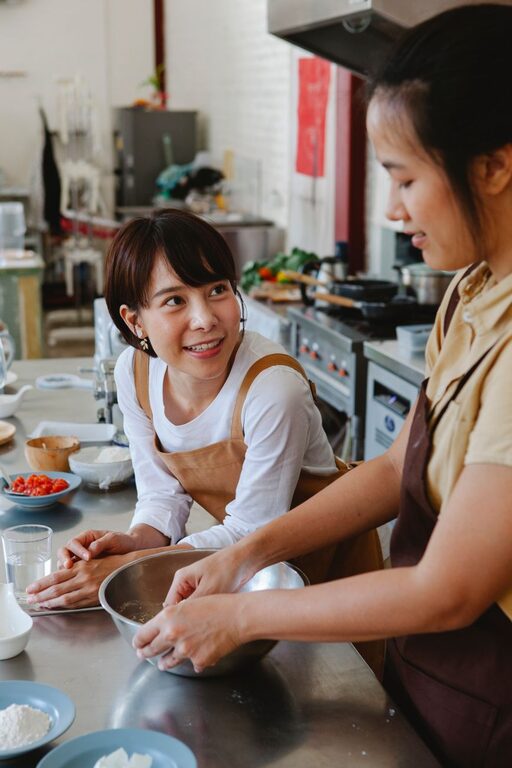
A recipe swap is a simple gathering where participants bring one or more recipes to share. Some groups exchange printed cards, while others prepare small samples, trade ingredients, or demonstrate cooking techniques. The format can be casual or carefully planned, but the purpose is the same: to share food knowledge and spend time together.
More Than an Exchange of Recipes
At first glance, a recipe swap may seem like a practical way to collect new meal ideas. In reality, it can become much more meaningful. Each recipe often carries a story about family, culture, travel, celebration, or everyday life.
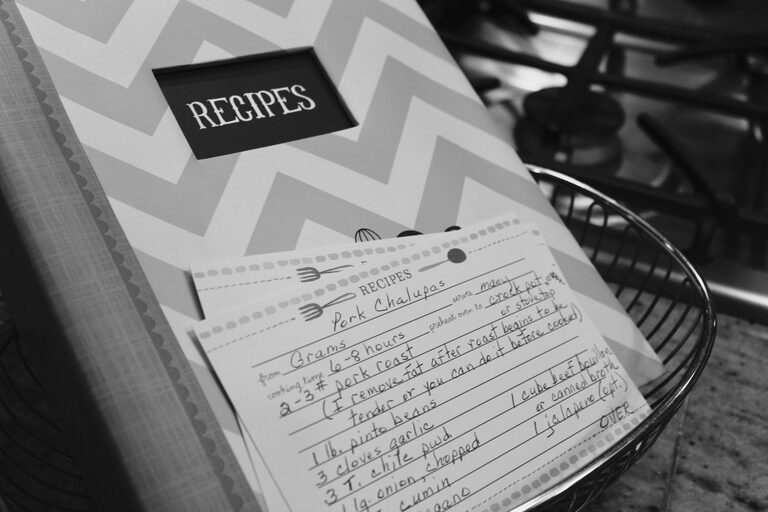
A handwritten recipe may have been passed down through generations. Another may come from a neighbor who created a quick dinner for busy evenings. Someone might share a dish learned during a cooking class, while another participant brings a recipe connected to a holiday or special event.
These personal details encourage conversation. Participants are not only discussing measurements and cooking times; they are also learning about one another’s experiences.
Creating a Welcoming Space
Community recipe swaps work best when everyone feels comfortable participating. There is no need for advanced cooking skills or expensive ingredients. The focus is on sharing, learning, and connecting.
Organizers can make gatherings more welcoming by:
– Choosing an easy-to-reach location
– Offering a range of recipe styles and skill levels
– Providing space for questions and conversation
– Avoiding pressure to prepare a perfect dish
– Including options for different dietary needs
– Inviting participants to share stories if they wish
A relaxed setting helps people take part at their own pace. Some may enjoy leading a cooking demonstration, while others may prefer bringing a printed recipe or simply listening.
Sharing Skills Across Generations
Recipe swaps can connect women of different ages and backgrounds. Older participants may share traditional methods, preserving knowledge that might otherwise be forgotten. Younger participants may introduce new preparation ideas, digital tools, or modern twists on familiar meals.
This exchange creates an opportunity for mutual learning. A participant might learn how to make fresh pasta, preserve seasonal produce, or prepare a family dessert. In return, she may show others how to organize recipes online, adapt a dish for a busy schedule, or use a new kitchen tool.
The experience is not about deciding which approach is best. It is about recognizing that cooking knowledge can come from many sources. Every participant has something useful to contribute.
Passing Down Family Traditions
Family recipes often hold a special place in community swaps. They may be written in the original creator’s handwriting or include instructions that were never formally measured.
Sharing these recipes helps preserve family traditions while allowing them to reach new kitchens. Participants can discuss how a dish has changed over time, what occasions it is served for, and which details make it special.
Some groups create shared recipe books so these contributions can be saved and enjoyed later. A community cookbook can become a lasting record of the people, stories, and traditions represented in the group.
Building Friendships Through Regular Gatherings
One-time events can be enjoyable, but regular recipe swaps often lead to stronger relationships. Monthly or seasonal meetings give participants a reason to reconnect and continue conversations.
Over time, familiar faces become friends. Members may begin supporting one another beyond the kitchen by sharing local recommendations, celebrating milestones, or organizing other community activities.
The recipe swap becomes a dependable social space. For women who are new to an area, working remotely, or looking for new connections, that regular gathering can provide a sense of belonging.
Making Room for Different Experiences
A strong community recipe swap welcomes a variety of food traditions and personal experiences. Participants may bring recipes influenced by their family background, region, faith, travel, or personal preferences.
This variety can make the event more interesting while encouraging respectful curiosity. Attendees can ask about ingredients, preparation methods, and the story behind a dish without expecting anyone to speak for an entire culture.
Organizers can support this atmosphere by encouraging participants to introduce recipes in their own words. Labels, ingredient lists, and clear explanations also help everyone understand what is being shared.
The goal is not to compare traditions or turn the event into a competition. It is to appreciate the many ways people prepare and enjoy food.
Recipe Swaps in Person and Online
Although many recipe swaps take place around a kitchen table, online communities have made the idea accessible to more people. Social media groups, video calls, newsletters, and shared documents allow participants to exchange recipes across towns or countries.
Online swaps can include:
– A weekly recipe theme
– Short cooking videos
– Printable recipe collections
– Live demonstrations
– Photo-based cooking challenges
– Group discussions about substitutions and techniques
Virtual events may be especially useful for people with busy schedules or limited transportation. They also allow participants to connect with others who share specific interests, such as baking, vegetarian meals, quick family dinners, or regional cooking.
In-person gatherings offer the warmth of shared meals, while online groups provide flexibility. Many communities use both formats to keep members connected.
Organizing a Successful Recipe Swap
Starting a recipe swap does not require a large budget or complicated planning. A few simple decisions can create a positive experience.
Choose a Clear Theme
A theme can make it easier for participants to decide what to bring. Ideas include seasonal produce, five-ingredient meals, family favorites, picnic foods, or dishes that can be prepared in advance.
Set Simple Guidelines
Let participants know how many recipes to bring and whether samples are expected. If food will be served, ask everyone to include ingredient information and note common allergens.
Make Sharing Easy
Provide recipe cards, folders, or a shared digital space. Encourage participants to include preparation time, serving suggestions, and possible substitutions.
Include Conversation Time
Leave room for introductions and informal discussion. The social part of the event is just as important as the recipes themselves.
Keep Participation Flexible
Some people may be unable to cook or bring food. They can still contribute by sharing a story, helping with setup, collecting recipes, or joining the conversation.
The Lasting Value of Shared Food
Community recipe swaps show that connection can grow from ordinary activities. A dish does not need to be complicated or impressive to bring people together. What matters is the invitation to share something personal and learn from others.
For many women, these gatherings provide more than new meal ideas. They offer friendship, creative expression, practical knowledge, and a chance to feel part of something local and welcoming.
Whether held in a community center, a neighborhood home, or an online group, a recipe swap creates space for people to meet around a shared interest. With every exchanged recipe, participants add another layer to the community they are building together.
About the Author