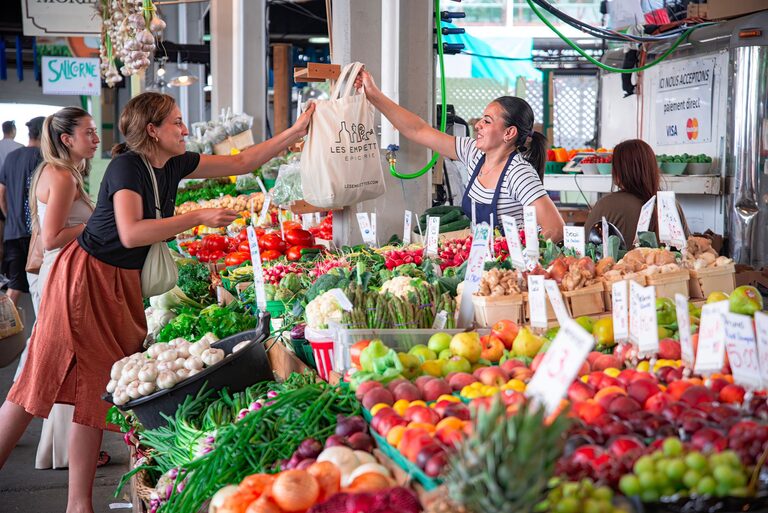
Late summer is one of the best times to visit a farmers market. Stalls are filled with colorful produce, fragrant herbs, ripe fruit, and fresh ingredients that need very little preparation. With a few simple cooking methods, you can turn these market finds into satisfying breakfasts, lunches, dinners, snacks, and desserts.
Shopping seasonally also makes meal planning easier. Instead of starting with a specific recipe, begin with what looks best at the market. Choose a few vegetables, a fruit, an herb, and a protein or grain, then build meals around them.
What to Look for at the Late-Summer Market
Late-summer markets often offer a mix of peak-season favorites and early signs of fall. Look for:
– Tomatoes in different sizes and colors
– Sweet corn with bright green husks
– Zucchini and summer squash
– Eggplant and bell peppers
– Green beans and cucumbers
– Fresh herbs such as basil, mint, and cilantro
– Stone fruits, including peaches, plums, and nectarines
– Melons and berries
– Fresh bread, eggs, cheese, and locally made pantry items
Choose produce that feels firm and looks fresh. Tomatoes should have a pleasant aroma, corn husks should look green rather than dry, and herbs should appear lively and free of wilted leaves. If you are unsure how to use an unfamiliar item, ask the grower for storage tips or serving ideas.
Build a Colorful Tomato Salad
Late-summer tomatoes are flavorful enough to be the main ingredient in a simple meal. Combine several varieties, such as cherry tomatoes, heirlooms, and plum tomatoes, for a mix of colors and textures.
Cut the tomatoes into wedges or halves and place them in a wide bowl. Add torn basil, thinly sliced red onion, and a few pieces of fresh mozzarella or crumbled cheese. Finish with olive oil, a splash of vinegar, salt, and black pepper.
For a more filling version, add:
– Toasted slices of crusty bread
– Cooked white beans
– Grilled chicken
– Farro or another cooked grain
– Sliced avocado
Let the salad sit for 10 to 15 minutes before serving. This gives the tomatoes time to release their juices and helps the flavors come together.
Make the Most of Fresh Corn
Sweet corn is quick to prepare and works in many types of meals. For a simple side dish, grill or boil the ears, then spread them with butter and sprinkle with herbs. You can also cut the kernels from the cob and use them in a skillet meal.
Sauté corn with diced zucchini, bell pepper, and onion. Add a handful of fresh basil near the end of cooking. Serve the vegetables over rice, spoon them into warm tortillas, or use them as a topping for grilled fish or chicken.
Another easy option is a fresh corn and bean salad. Combine corn kernels with black beans, chopped tomatoes, cucumber, and cilantro. Toss with lime juice and a little olive oil. This salad travels well for picnics and can be prepared ahead of time.
Turn Summer Vegetables Into a Sheet Pan Dinner
Eggplant, peppers, zucchini, and onions are ideal for roasting. Cut the vegetables into similar-size pieces so they cook evenly. Toss them with olive oil, salt, pepper, and dried herbs, then roast until tender and lightly browned.
Serve the roasted vegetables with:
– Couscous or quinoa
– Warm pita bread
– Hummus or a yogurt-based sauce
– Grilled sausage
– Beans or lentils
For extra flavor, add fresh herbs after roasting rather than before. Basil, parsley, and mint stay brighter when added just before serving.
You can also roast a large batch at the start of the week. Store the vegetables in the refrigerator and use them in sandwiches, grain bowls, omelets, or pasta dishes.
Keep Cucumbers and Herbs Cool and Fresh
Cucumbers are especially refreshing on warm late-summer days. Slice them into salads, add them to sandwiches, or use them as a crisp topping for tacos and grain bowls.
A simple cucumber salad comes together with sliced cucumbers, fresh dill or mint, thinly sliced onion, and a dressing made from vinegar, olive oil, salt, and a little honey. For a creamier version, add plain yogurt and a squeeze of lemon.
Fresh herbs can also become the base of a quick sauce. Blend basil with olive oil, garlic, grated cheese, and nuts for a classic pesto. Use it with pasta, roasted vegetables, sandwiches, or grilled corn. For a lighter sauce, combine chopped parsley, mint, lemon juice, olive oil, and a pinch of salt.
Use Peaches and Plums in Savory Meals
Stone fruits are delicious on their own, but they can also add sweetness and acidity to savory dishes. Slice peaches or plums and serve them with greens, soft cheese, and toasted nuts. A simple dressing of olive oil and vinegar is all you need.
You can also grill halved peaches. Place them cut side down on a hot grill until they have visible grill marks and become slightly tender. Serve them alongside grilled chicken or pork, or add them to a salad with arugula and cheese.
For a quick appetizer, place sliced peaches on toasted bread with ricotta, a drizzle of honey, and cracked black pepper. The combination of creamy, sweet, and savory flavors makes a small market purchase feel special.
Plan an Easy Late-Summer Breakfast
Farmers market ingredients are not limited to lunch and dinner. Fresh eggs, berries, peaches, and bread can make a simple breakfast feel seasonal.
Try a vegetable frittata with tomatoes, zucchini, peppers, and herbs. Cook the vegetables first, pour in beaten eggs, and finish the dish in the oven or under a broiler. Serve it warm or at room temperature with sliced fruit.
For a no-cook option, top yogurt with berries, chopped peaches, granola, and a spoonful of local honey. You can also use market bread to make toast topped with ricotta and sliced fruit.
Save Extra Produce for Later
Late-summer produce can arrive faster than you can use it. A few storage habits can help reduce waste.
– Store tomatoes at room temperature, away from direct sunlight.
– Keep leafy herbs in a glass of water or wrapped loosely in a damp towel.
– Refrigerate cucumbers, green beans, and berries, but use them within a few days.
– Store onions and garlic in a cool, dry, well-ventilated place.
– Freeze extra berries on a tray before transferring them to a container.
– Chop and freeze corn kernels for soups, casseroles, and skillet meals.
If fruit becomes very soft, cook it into a simple sauce or topping instead of throwing it away. Overripe peaches and plums work well in oatmeal, pancakes, or a quick stovetop compote.
Let the Market Guide Your Menu
The best late-summer meals do not need complicated recipes. Start with fresh ingredients, choose a straightforward cooking method, and add a few supporting flavors. A basket of tomatoes can become a salad, sauce, or sandwich filling. A handful of herbs can brighten vegetables, grains, or grilled foods.
Visit the market with an open mind and choose ingredients that look appealing that day. By cooking simply and using produce at its peak, you can create meals that are colorful, flexible, and full of late-summer flavor.
About the Author