Sharing family recipes is about more than preparing a meal. It is a way to preserve memories, celebrate traditions, and connect with people who enjoy cooking. A cooking club gives women a relaxed space to share favorite dishes, learn new skills, and create new food memories together.
Whether your group meets monthly in someone’s kitchen or gathers online from different locations, a little planning can make every meeting enjoyable. Here are practical cooking club ideas to help you create a welcoming group centered on family recipes.
Start With a Simple Club Plan
Before inviting members, decide how the club will work. A clear plan helps everyone know what to expect and makes it easier to organize each gathering.
Consider these basic questions:
– How often will the club meet?
– Will meetings take place in homes, community spaces, or online?
– Will each member bring a dish, cook during the meeting, or do both?
– How many people should attend?
– Will the club focus on a particular type of family recipe?
– How will members share recipes after each event?
A monthly meeting is often a comfortable starting point. It gives members enough time to choose a recipe, gather ingredients, and prepare a short story about the dish.
Choose a Recipe Theme
A theme gives each meeting direction while still leaving room for creativity. You can choose a broad theme or focus on one type of food.
Comfort Food Favorites
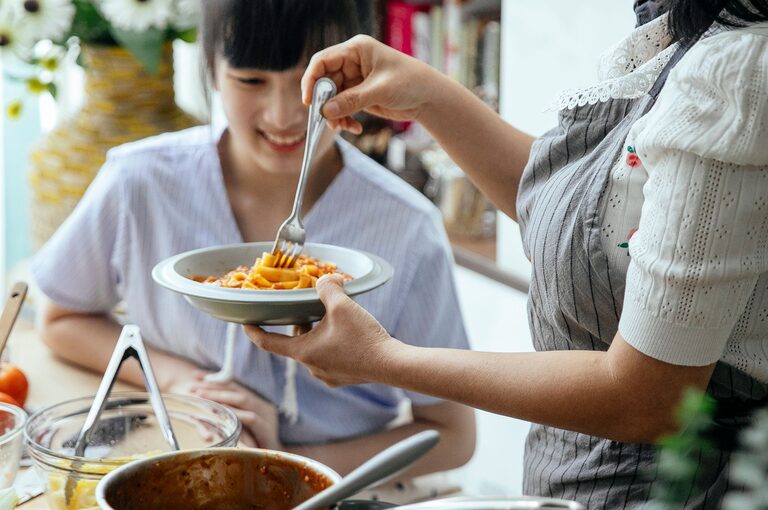
Invite members to bring recipes that remind them of childhood, family gatherings, or special weekends. Examples might include baked pasta, vegetable casseroles, homemade bread, soups, or family-style desserts.
Ask each member to explain why the recipe matters to her. These personal details often become the most memorable part of the meeting.
Holiday and Celebration Foods
Many families have special recipes connected to birthdays, holidays, reunions, or other celebrations. A club meeting can highlight these dishes throughout the year.
Members might share:
– Favorite holiday cookies
– Celebration cakes
– Traditional side dishes
– Party appetizers
– Festive drinks
– Recipes for large family gatherings
This theme can also help preserve recipes that are usually prepared only once or twice a year.
Regional Family Recipes
Create a meeting around the places your members or their families come from. Each person can bring a dish connected to a hometown, state, country, or travel memory.
Members can also bring a map, photo, or short note about the recipe’s background. This adds context without requiring a formal presentation.
One Ingredient, Many Recipes
Choose one ingredient and invite everyone to use it differently. Apples, tomatoes, beans, rice, potatoes, or seasonal vegetables can inspire a wide range of dishes.
This format encourages creativity and makes it easy to compare cooking styles. It can also help members discover new ways to use ingredients they already keep at home.
Create a Recipe Sharing Tradition
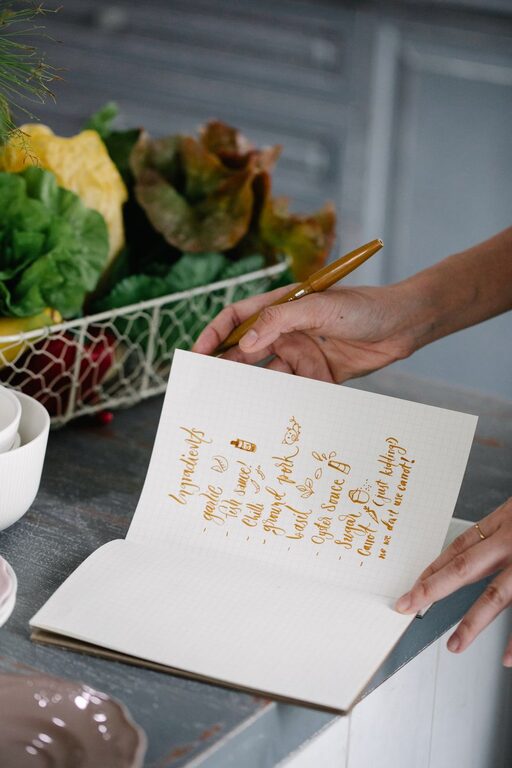
A cooking club becomes more meaningful when recipes are recorded and shared. You do not need a complicated system. A simple printed or digital collection can grow over time.
Ask members to submit each recipe with:
– The recipe name
– The contributor’s name
– A short family story
– Preparation and cooking times
– Ingredient measurements
– Step-by-step instructions
– Helpful tips or substitutions
– A photo, if available
At the end of each meeting, choose one person to collect the recipes and organize them into a shared folder. After several months, the group can create a small club cookbook.
For a personal touch, include short notes from members about what they enjoyed most from each meeting.
Plan Hands-On Club Activities
Sharing food is wonderful, but hands-on activities can make meetings even more engaging. Choose activities that match the group’s interests and available time.
Recipe Swap
Each member brings several copies of a favorite recipe to exchange. To make the swap more interesting, include a small story or cooking tip with each recipe.
Family Recipe Makeover
Invite members to choose an older family recipe and adapt it for modern schedules, different serving sizes, or available ingredients. The goal is to preserve the spirit of the recipe while making it easier to prepare.
Cooking Skill Exchange
Let each member teach one simple skill. Ideas include shaping dough, making a basic sauce, decorating cookies, preparing vegetables, or organizing ingredients before cooking.
Keep demonstrations short and practical so everyone has time to participate.
Mystery Basket Challenge
Prepare a small collection of common ingredients and divide members into teams. Each team creates a dish using some of the ingredients.
This activity works well for informal gatherings and encourages teamwork. It does not need to be competitive; the focus can simply be on trying something new.
Make Meetings Comfortable and Inclusive
A welcoming cooking club should be easy for everyone to enjoy. Members may have different cooking backgrounds, schedules, kitchens, and comfort levels.
Use these ideas to make gatherings more inclusive:
– Offer recipes for different skill levels.
– Ask about food allergies and preferences in advance.
– Provide both cooking and noncooking roles.
– Share ingredient lists before meetings.
– Avoid assuming everyone has the same tools.
– Let members bring prepared ingredients when needed.
– Keep the atmosphere friendly rather than competitive.
Some members may prefer to tell stories, take photos, organize recipes, or set the table instead of demonstrating a technique. Every contribution can help the club succeed.
Try Different Meeting Formats
Changing the format from time to time can keep the club fresh. Along with regular cooking sessions, consider these options:
Recipe Story Night
Members bring a completed dish and share the story behind it. This format requires less cooking during the meeting and allows more time for conversation.
Baking Afternoon
Focus on one baking project, such as rolls, pies, muffins, or cookies. Members can work in small groups and take home part of what they make.
Picnic Recipe Gathering
Meet outdoors and ask everyone to bring a family dish that travels well. Add simple games, recipe cards, and a shared table for serving.
Virtual Recipe Club
For members who live far apart, host an online meeting. Everyone can prepare the same recipe or demonstrate a family favorite from home.
Send ingredients, instructions, and discussion questions ahead of time to help the virtual meeting run smoothly.
Add a Personal Club Tradition
Small traditions can give the cooking club its own identity. You might begin every meeting with a favorite family food, end with a group photo, or ask members to name one new idea they learned.
Other traditions could include:
– A rotating host
– A seasonal recipe booklet
– A “recipe of the month”
– A shared cooking playlist
– Personalized recipe cards
– A yearly club potluck
– A display of family kitchen tools or photos
The best traditions are simple enough to maintain and meaningful enough to look forward to.
Keep the Focus on Connection
A cooking club does not need to produce perfect dishes or complicated menus. Its real value comes from the time members spend together, the stories they share, and the recipes they help preserve.
Begin with a small group, choose an easy theme, and let the club develop naturally. Over time, your gatherings can become a treasured collection of family flavors, practical cooking lessons, and friendships built around the table.
About the Author