Favorite family meals carry more than ingredients and instructions. They hold memories of holidays, busy weeknights, shared celebrations, and the people who taught us how to cook. Creating a personal cookbook is a thoughtful way to preserve those meals and make them easy to enjoy for years to come.
Your cookbook does not need to look like a professional publication. It can be a simple binder, a printed book, a digital collection, or a combination of all three. The most important part is gathering recipes that have meaning and organizing them in a way that feels useful to you and your family.
Start With a Recipe List
Begin by making a list of the meals you want to include. Think beyond formal recipes written on cards. A family cookbook can include anything from a weeknight soup to a special dessert prepared once a year.
Consider adding:
– Favorite breakfasts
– Family lunches and dinners
– Holiday dishes
– Birthday desserts
– Sauces and dressings
– Homemade breads
– Snacks and drinks
– Recipes connected to family traditions
Ask relatives which meals they remember most. You may discover that different family members have their own versions of the same dish. Including those variations can make the cookbook more personal and complete.
Do not worry about choosing the final recipes immediately. Create a large working list first, then narrow it down as you collect more information.
Gather Recipes From Every Source
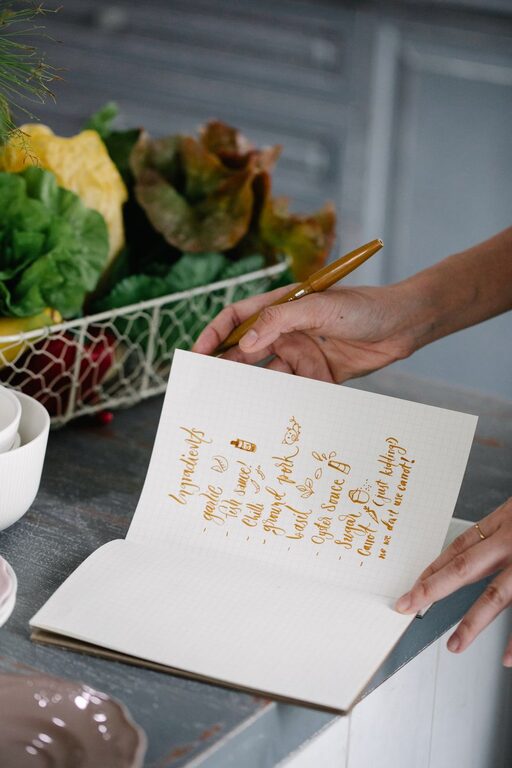
Family recipes often exist in many forms. Some may be written on index cards, saved in emails, or copied into old notebooks. Others may be remembered only by a relative who cooks by sight and taste.
Collect recipes from:
– Handwritten cards
– Personal notebooks
– Text messages and emails
– Online recipe pages
– Family members’ memories
– Photos of meals
– Notes made during cooking
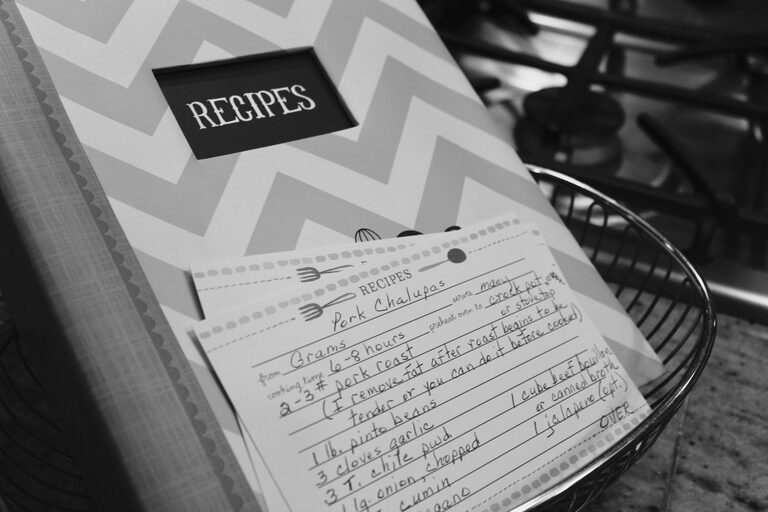
When possible, make a digital copy of each handwritten recipe. Scan it or take a clear photograph in good lighting. Keep the original safely stored, especially if the paper is old or fragile.
If a recipe is based on memory, write down as much detail as possible. Ask questions about ingredients, cooking times, serving sizes, and special techniques. Even phrases such as “add enough flour” or “cook until it smells ready” can be useful when paired with notes that explain what to look for.
Test and Clarify Each Recipe
Before placing a recipe in the final cookbook, prepare it yourself. This step helps you identify missing details and make the instructions easier for others to follow.
While testing a recipe, note:
– Exact ingredient amounts
– Preparation and cooking times
– Pan sizes
– Oven temperatures
– Number of servings
– Helpful substitutions
– Signs that the dish is finished
Some older recipes use measurements such as “a handful,” “a small can,” or “one package.” These descriptions may have made sense at the time, but product sizes can change. Add a clearer measurement when possible, while preserving the original wording in a note if it is part of the recipe’s character.
If you change an ingredient or method, record the update. You may want to include both the original version and a modern adaptation.
Keep the Original Voice
Editing a recipe does not mean removing its personality. A short note such as “Grandma always added extra cinnamon” can be just as valuable as a precise measurement.
You can include personal details like:
– Who first made the recipe
– When your family usually serves it
– A favorite memory connected to the dish
– An ingredient that can be adjusted
– A common mistake to avoid
These notes make the cookbook feel like a family record rather than a plain collection of instructions.
Choose a Structure
Organize the cookbook in a way that makes sense for the people who will use it. A traditional structure may work well, but you can also arrange recipes by family member, season, or occasion.
Common sections include:
- Breakfast and brunch
- Soups and salads
- Main dishes
- Side dishes
- Breads and baking
- Desserts
- Drinks
- Holiday and special occasion meals
You might also create sections called “Quick Weeknight Meals,” “Recipes for Celebrations,” or “Grandparents’ Favorites.” Choose headings that reflect your family’s cooking habits.
Add a table of contents if the cookbook contains more than a few dozen recipes. Numbering the pages will make the book easier to use, especially if you plan to print it.
Decide on a Format
There are several practical ways to create a personal cookbook.
Printed Binder
A binder is flexible and easy to update. Use sheet protectors to guard pages from spills, and leave extra space for recipes you may add later. Dividers can separate categories and make the collection easy to browse.
Bound Book
A professionally printed and bound book has a polished appearance and makes a thoughtful gift. Review the layout carefully before ordering copies. Check that photographs are clear and that no recipe text is cut off.
Digital Cookbook
A digital cookbook can be created as a document or PDF. It is easy to share with relatives and simple to update. Save a backup in more than one location so the collection is not lost if a device fails.
Combination Format
Many families use both print and digital versions. A printed copy can stay in the kitchen, while a digital file can be shared with relatives or stored for safekeeping.
Add Photos and Family Details
Pictures can make the cookbook more meaningful. Include photographs of finished dishes, handwritten recipe cards, family gatherings, or the people who prepared the meals.
You do not need professional food photography. Natural light and a clean background are usually enough. If you include older photographs, add captions with names, dates, and locations when known.
Consider adding a short introduction that explains why you created the cookbook. You could also include a family timeline, a page of cooking tips, or a list of favorite holiday traditions.
Create a Consistent Recipe Layout
Use the same basic format for every recipe. Consistency makes the cookbook easier to read and gives it a finished appearance.
Each recipe might include:
– Recipe name
– Contributor or family member
– Preparation time
– Cooking time
– Servings
– Ingredients
– Step-by-step instructions
– Helpful notes
– A photograph or memory
Use clear headings and short paragraphs. Avoid placing too much text on one page. Leave enough space for readers to make notes or write substitutions.
Review Before Sharing
Before printing or sending the cookbook to relatives, review the entire collection. Check spelling, measurements, page numbers, and ingredient lists. Ask someone else to read several recipes and follow the instructions. A second reader may notice details you missed.
Also confirm that photographs are correctly placed and that every recipe appears in the table of contents. Save the final version with a clear file name and date.
Keep the Cookbook Growing
A family cookbook does not have to be finished forever. Leave room for new recipes, updated versions, and contributions from younger family members.
Invite relatives to add their own dishes. Create a tradition of collecting recipes after family gatherings or recording a favorite meal each year. Over time, the cookbook will become a living record of the meals, stories, and people that make your family unique.
About the Author