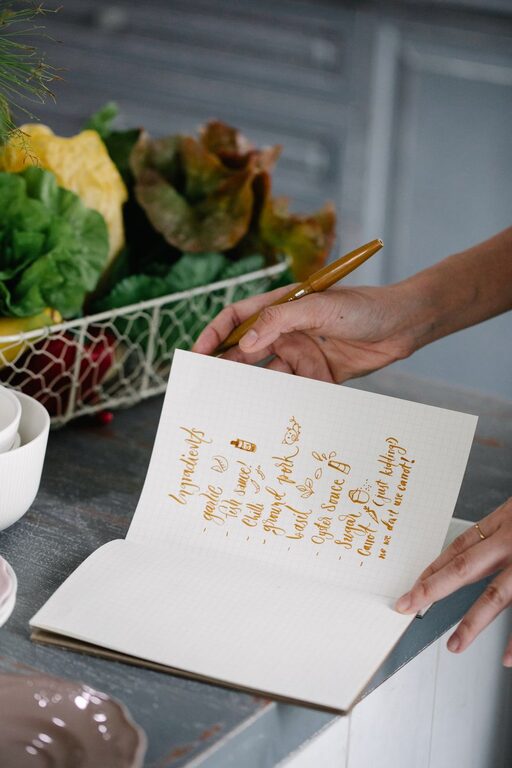
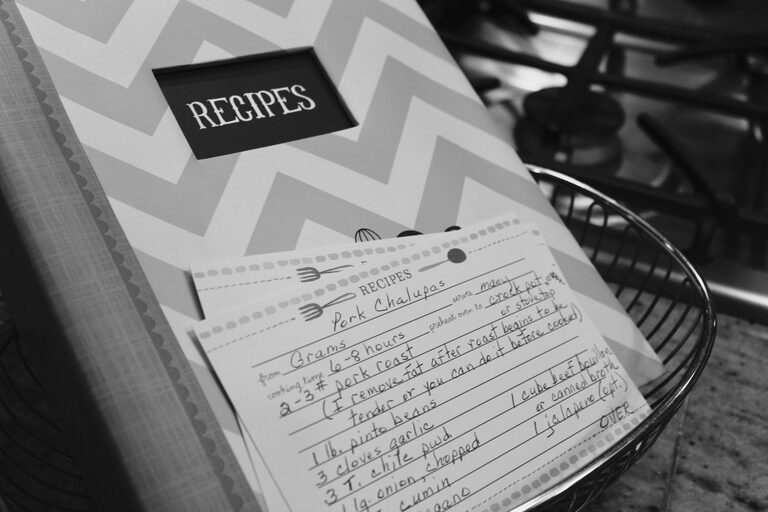
For years, recipes seemed to be moving in one direction: onto screens. Home cooks saved links, watched videos, took screenshots, and searched for instructions while standing at the counter. Digital recipes remain useful, but a familiar kitchen tradition is finding its way back into daily life: the handwritten recipe card.
Recipe cards offer something that apps and websites often cannot. They carry personal handwriting, small notes, family stories, and signs of repeated use. A stained corner or a faded line can tell the story of a dish that has been prepared for years. In modern kitchens, these simple cards are becoming both practical tools and meaningful keepsakes.
Why Recipe Cards Are Returning
The renewed interest in handwritten recipes is part of a wider appreciation for slower, more personal habits. People are looking for ways to make everyday routines feel less hurried and more connected to home.
A recipe card can provide:
– A break from screen time while cooking
– A simple way to preserve family recipes
– A personal touch in a practical kitchen
– An easy gift for friends and relatives
– A compact alternative to storing many cookbooks
Handwritten cards also make recipes feel approachable. Instead of opening a phone and navigating through advertisements, pop-ups, or long introductions, cooks can glance at a few handwritten steps and begin.
More Than Instructions
A recipe card rarely contains only ingredients and directions. It may include a note such as “Bake until lightly golden,” “Grandma added extra cinnamon,” or “Best served warm.” These comments are often just as valuable as the measurements.
Some cards preserve memories through small details:
– The name of the person who shared the recipe
– The occasion when the dish was served
– A preferred brand or ingredient
– A reminder about substitutions
– A family nickname for the recipe
– The year the card was written
These personal details turn an ordinary recipe into a record of family life. Even when the original writer is no longer available to explain the dish, the card can preserve part of that person’s voice.
The Appeal of Imperfection
Digital recipes are usually neat, searchable, and easy to update. Handwritten recipe cards are different. Their charm often comes from their imperfections.
A card may show crossed-out ingredients, uneven lettering, flour marks, or notes added by several people over time. These details demonstrate that the recipe has been used and adapted. They also make each card unique.
Modern design trends often favor items that look handmade, natural, and individual. Handwritten recipe cards fit comfortably into this style. They can be colorful or plain, carefully written or casually scrawled. The important feature is not perfect presentation but personal meaning.
Creating a Recipe Card Collection
Starting a collection does not require a large box of family recipes. A small group of favorite dishes is enough. Begin with recipes that are prepared regularly or that hold special memories.
Consider including:
- A favorite breakfast dish
- A dependable weeknight meal
- A holiday recipe
- A dessert associated with family gatherings
- A simple recipe from a friend
- A dish that represents a special place or occasion
Write each recipe on a separate card so it can be used easily. Leave space for changes and notes. Over time, the collection can grow naturally as new recipes become part of the household routine.
Tips for Writing Useful Cards
A beautiful card is enjoyable to keep, but it should also be easy to use. Clear writing and consistent information make a major difference.
When writing a recipe card, include:
– The recipe name
– A complete ingredient list
– Measurements
– Serving size
– Preparation and cooking times
– Step-by-step instructions
– Oven temperature, if needed
– Helpful notes or substitutions
Use simple language and write steps in the order they should be completed. If a recipe includes several stages, divide the instructions into clear sections. For example, a baking recipe might include separate headings for the filling, topping, and assembly.
It can also help to write the date on the back of the card. This is especially useful when testing a new recipe or recording a recent family favorite.
Choosing the Right Materials
Recipe cards come in many sizes and styles. Index cards are inexpensive and easy to replace, while heavier cardstock feels more durable and decorative. Some people prefer cards with lines, and others enjoy a blank surface for flexible layouts.
For recipes used often, consider materials that can handle kitchen activity:
– Thick paper or cardstock
– Waterproof writing tools
– Protective sleeves
– A recipe box with a secure lid
– A small stand for displaying cards
A clear sleeve can protect a treasured card from splashes without hiding the handwriting. For everyday cooking, a simple stand keeps the card visible and reduces the need to touch it with messy hands.
Combining Handwritten and Digital Recipes
Choosing handwritten cards does not mean giving up digital tools. Many cooks use both systems, depending on the recipe and the situation.
Digital storage is useful for:
– Finding new recipes
– Saving large collections
– Adjusting serving sizes
– Sharing recipes quickly
– Keeping a backup copy
Handwritten cards are especially useful for trusted recipes that are prepared often. A cook might discover a dish online, test it several times, and then write a personalized version on a card. This creates a practical final copy that reflects real experience.
Taking a photograph of each card can provide an extra layer of protection. The original remains a physical keepsake, while the image can be stored for reference or shared with relatives.
Recipe Cards as Thoughtful Gifts
A handwritten recipe card can be a meaningful gift for many occasions. It does not need to contain an elaborate dish. A simple soup, cookie, or breakfast recipe may be more useful than a complicated one.
To create a thoughtful recipe gift, pair the card with a small kitchen item such as:
– A wooden spoon
– A tea towel
– A measuring spoon set
– A jar of dried herbs
– A baking dish
– A reusable storage container
You can also create a small set around a theme, such as family breakfasts, holiday baking, or easy dinners. Adding a short note about why each recipe was chosen makes the gift more personal.
Preserving the Story Behind the Recipe
When possible, record the story behind a recipe along with the ingredients and instructions. Ask relatives or friends where the dish came from, when they first made it, and how they changed it over time.
A few sentences can make the card far more valuable. For example, a recipe might have been served at a first apartment, prepared every Sunday, or created from ingredients already available in the pantry.
These stories help future cooks understand that recipes are not fixed rules. They are living parts of a household tradition, changing slightly as people adapt them to new tastes, tools, and schedules.
A Small Tradition with Lasting Value
The return of handwritten recipe cards is not about rejecting modern convenience. It is about making room for a more personal way to cook and remember. A card can sit beside a laptop, phone, or tablet while still offering something distinct: a direct connection to the person who wrote it.
In a busy kitchen, the simplest objects often become the most meaningful. A handwritten recipe card can guide dinner, preserve a memory, and encourage the next generation to continue a favorite tradition. Whether stored in a box, displayed on a stand, or tucked into a cookbook, it adds warmth and character to modern cooking.
About the Author