
Hosting a small afternoon tea at home is a lovely way to slow down, welcome friends, and enjoy simple treats together. You do not need a large dining room, expensive dishes, or complicated recipes to create a memorable afternoon. With a little planning, an ordinary day can become a relaxed gathering filled with warm conversation and thoughtful details.
Afternoon tea is especially appealing because it feels special without being overly formal. A few guests, a pot of tea, and a table prepared with care are often all you need. The focus is not on perfection. It is on creating a comfortable setting where everyone can settle in and enjoy the moment.
Choose a Simple Guest List
A small gathering is easier to plan and often more enjoyable for conversation. Consider inviting three to six guests, depending on the space available in your home. A smaller group also gives you more time to prepare food, arrange the table, and spend time with each person.
When choosing a date, think about the rhythm of your household. A weekend afternoon usually works well, but a weekday gathering can be just as pleasant. Aim for a start time between 2:00 and 4:00 p.m., when guests can enjoy tea and light food without expecting a full meal.
It can also help to share a general idea of the occasion. You might describe it as a casual tea, a spring afternoon gathering, or simply an afternoon with friends. This gives guests a sense of what to expect while keeping the mood relaxed.
Plan the Menu
An afternoon tea menu does not need to be extensive. A balanced selection of savory bites, sweet treats, and tea is enough. Choose foods that can be prepared in advance so you are not spending the entire gathering in the kitchen.
A simple menu might include:
– Tea sandwiches with cucumber, egg salad, or chicken salad
– Fresh fruit or berries
– Scones with jam and cream
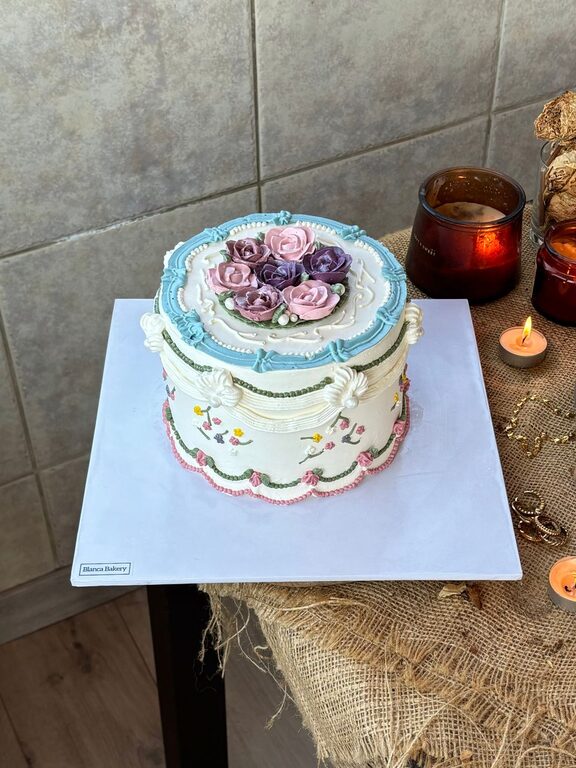
– Small cakes, cookies, or pastries
– Lemon slices, honey, and sugar for the tea
– Still or sparkling water
Try to offer a mix of textures and flavors. Soft sandwiches, crumbly scones, fresh fruit, and a small sweet treat create variety without making the table feel crowded.
If you are serving sandwiches, remove the crusts only if you want a traditional look. Otherwise, cut them into small squares or triangles and arrange them on a platter. Preparing the sandwiches shortly before guests arrive helps keep the bread fresh.
Scones are a classic choice and can be baked earlier in the day. Serve them slightly warm or at room temperature with jam and whipped cream. If baking is not convenient, quality store-bought scones can be arranged attractively and served with homemade toppings.
Select Tea Everyone Can Enjoy
Offering two or three tea choices allows guests to choose what they prefer. A black tea, a caffeine-free herbal tea, and a lighter option such as green or white tea create a good range.
Popular choices include:
– Earl Grey for a bright, fragrant flavor
– English Breakfast for a full-bodied cup
– Chamomile for a soothing caffeine-free option
– Peppermint for a fresh, refreshing taste
– Green tea for a lighter, delicate choice
Use a teapot if you have one, but a heatproof pitcher or individual mugs work well too. If serving several types, label the tea so guests can easily identify each one. Keep a kettle of hot water nearby so everyone can refresh their cup without waiting.
Remember to include a few additions, such as milk, lemon, honey, and sugar. A small tray or dish for these items keeps the table organized and makes the tea service feel complete.
Create a Welcoming Table
Your table setting does not need to match perfectly. A clean tablecloth, a runner, or a few cloth napkins can provide a simple foundation. Use the dishes and serving pieces you already have, and combine different patterns if they create a cheerful, collected look.
Place the tea and larger serving dishes where guests can reach them easily. Small plates, teaspoons, napkins, and cups should be available before everyone sits down. This allows guests to serve themselves and keeps the gathering flowing naturally.
Fresh flowers are a classic centerpiece, but they are not essential. A small vase of garden flowers, a bowl of fruit, or a few sprigs of greenery can add color without taking up too much space. Keep the centerpiece low so guests can see one another across the table.
Candles can create a pleasant atmosphere, especially on a cloudy day. Choose unscented candles so their fragrance does not compete with the tea and food. Natural light, soft music, and an uncluttered table may be all the decoration you need.
Prepare Before Guests Arrive
The most enjoyable hosts are able to spend time with their guests. To make that possible, complete as many tasks as you can in advance.
The day before, you can:
– Choose serving dishes and utensils
– Bake cookies or scones
– Prepare jam or flavored butter
– Wash and dry fruit
– Set out linens and decorations
– Decide where coats and bags will go
On the day of the tea, arrange the table, prepare sandwiches, chill drinks, and organize the tea station before the first guest arrives. Leave only a few final tasks for later, such as slicing fruit or heating water.
It is also wise to keep the menu manageable. If a recipe requires constant attention, replace it with something simpler. The purpose of the gathering is to enjoy time together, not to create a demanding cooking project.
Add Personal Details
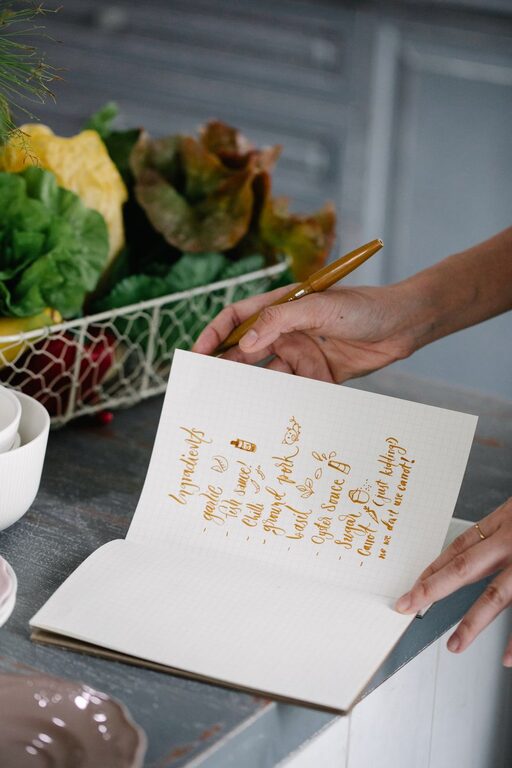
Small personal touches can make the afternoon feel thoughtful. Place a handwritten menu at each setting, use a favorite family recipe, or choose a tea that reminds you of a shared trip or special occasion.
You might also create a small activity for guests. A bowl of conversation cards can encourage stories and laughter, while a few magazines, a puzzle, or a simple craft can give the group something casual to enjoy between servings.
There is no need to plan every minute. Some of the best moments happen when the conversation takes its own direction. Give guests room to relax, refill their cups, and enjoy an unhurried afternoon.
Keep the Mood Relaxed
A successful afternoon tea is not measured by flawless presentation. If a slice of cake is uneven or a teacup does not match the others, it simply adds to the character of the gathering. Guests are more likely to remember how welcome they felt than whether every detail was perfect.
Greet each person warmly, offer them a drink, and help them find a comfortable place to sit. Once everyone has arrived, introduce the food and tea choices, then allow the gathering to unfold naturally.
If something goes wrong, keep it simple. A spill can be cleaned, a forgotten ingredient can be replaced, and a late dish can be skipped. Your calm attitude will help everyone feel at ease.
Enjoy the Occasion
Hosting a small afternoon tea is an opportunity to practice generous hospitality in a simple, approachable way. You can create a special experience with everyday ingredients, familiar dishes, and a little preparation.
The true charm comes from the combination of small comforts: a warm cup of tea, a plate of homemade treats, soft conversation, and time set aside to be together. Whether you are celebrating a birthday or simply gathering on a quiet weekend, an afternoon tea at home can turn an ordinary day into a lasting memory.
About the Author